
Preparing for the Future: Integrating Cross-Platform Energy Management Solutions
Preparing for the Future: Integrating Cross-Platform Energy Management Solutions
Cross-platform energy management is no longer a luxury—it’s essential for future readiness. If you’re juggling different systems and struggling to keep them in sync, you’re not alone. Integrating smart technology into your setup can simplify control and boost energy efficiency, saving time and costs in the long run. Let’s explore how integrated solutions can make your energy systems work smarter, not harder. For further insights, you can read more about the importance of flexibility and integration in future energy systems here.
Understanding Cross-Platform Energy Management
Navigating the world of energy management can feel overwhelming, but understanding cross-platform solutions simplifies the process. It’s about creating harmony between different systems for better control and efficiency.
Real-Time Monitoring and Control
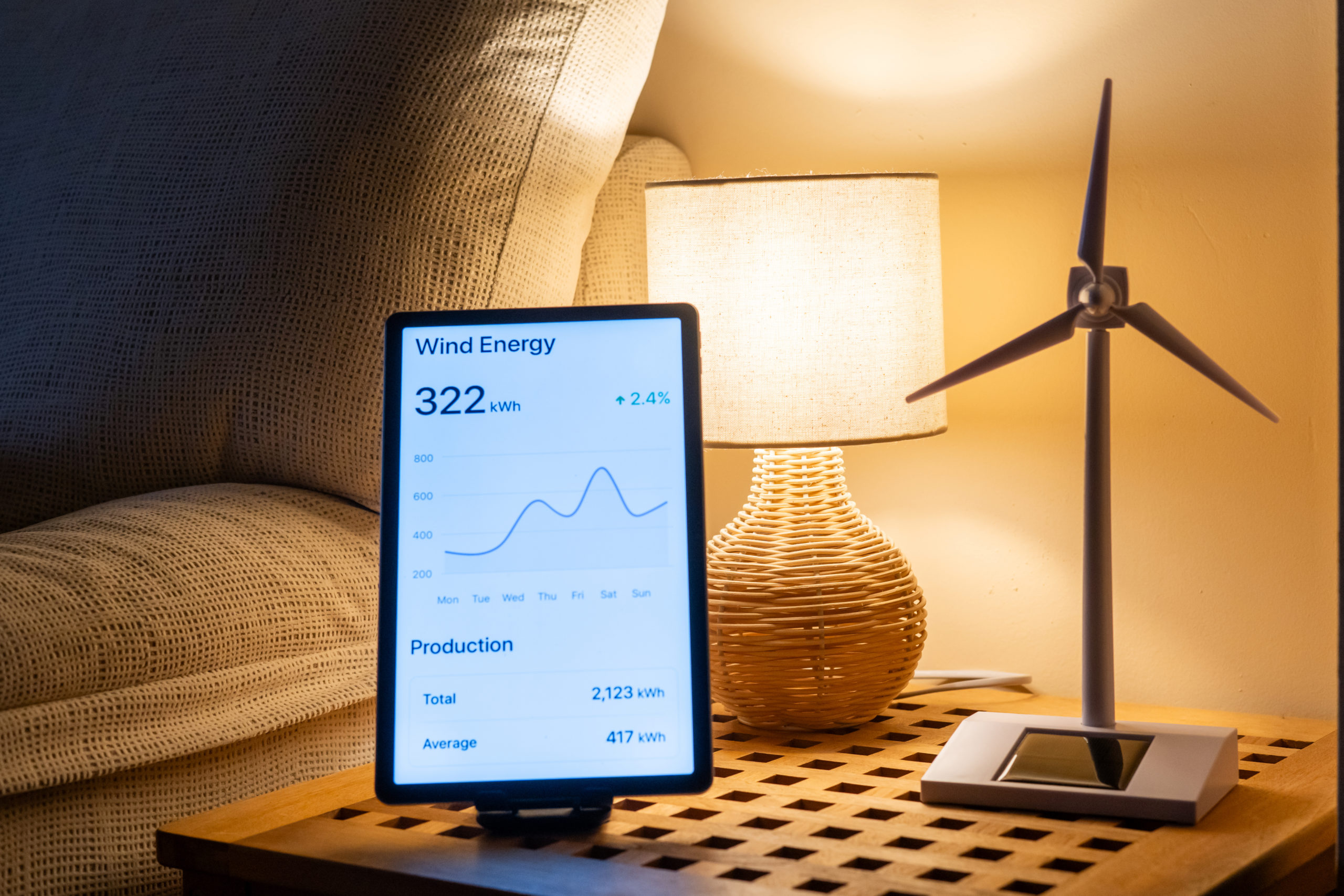
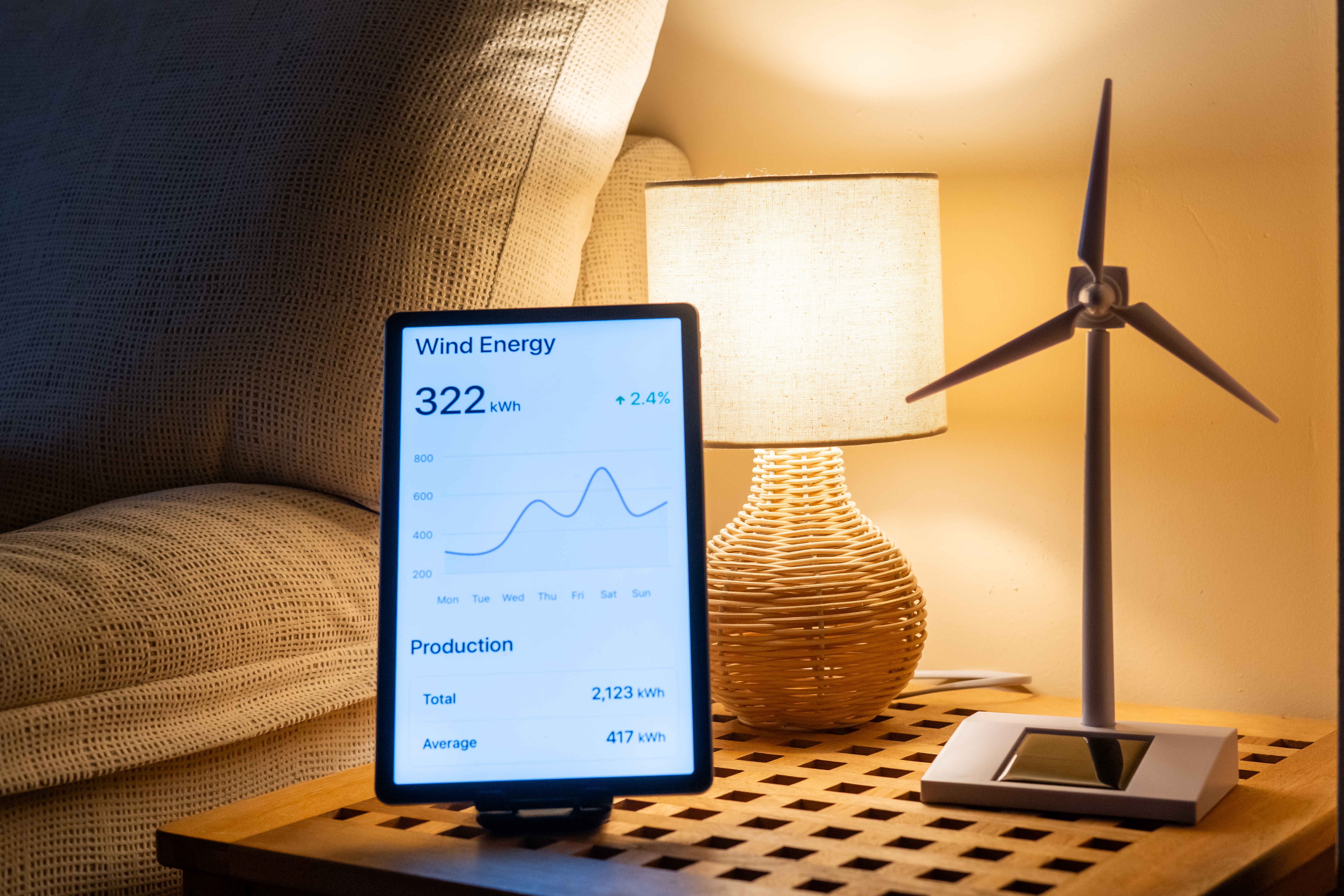
Imagine having eyes on your energy systems round-the-clock. Real-time monitoring offers this advantage. It allows you to see what’s happening as it unfolds, providing the opportunity to act swiftly. Consider the Atmo smart controller—it ensures you’re always in the loop.
With real-time data, you can identify energy inefficiencies instantly. This means less wastage and more savings. If a pump falters, the system alerts you, helping prevent costly repairs. Having this level of control ensures that your energy systems are always at their best.
Benefits of Smart Technology
Smart technology is not just a buzzword; it’s a game-changer. It offers benefits that transform how you manage energy. Take smart thermostats, for example—they adjust temperatures based on your habits, reducing your energy bills noticeably.
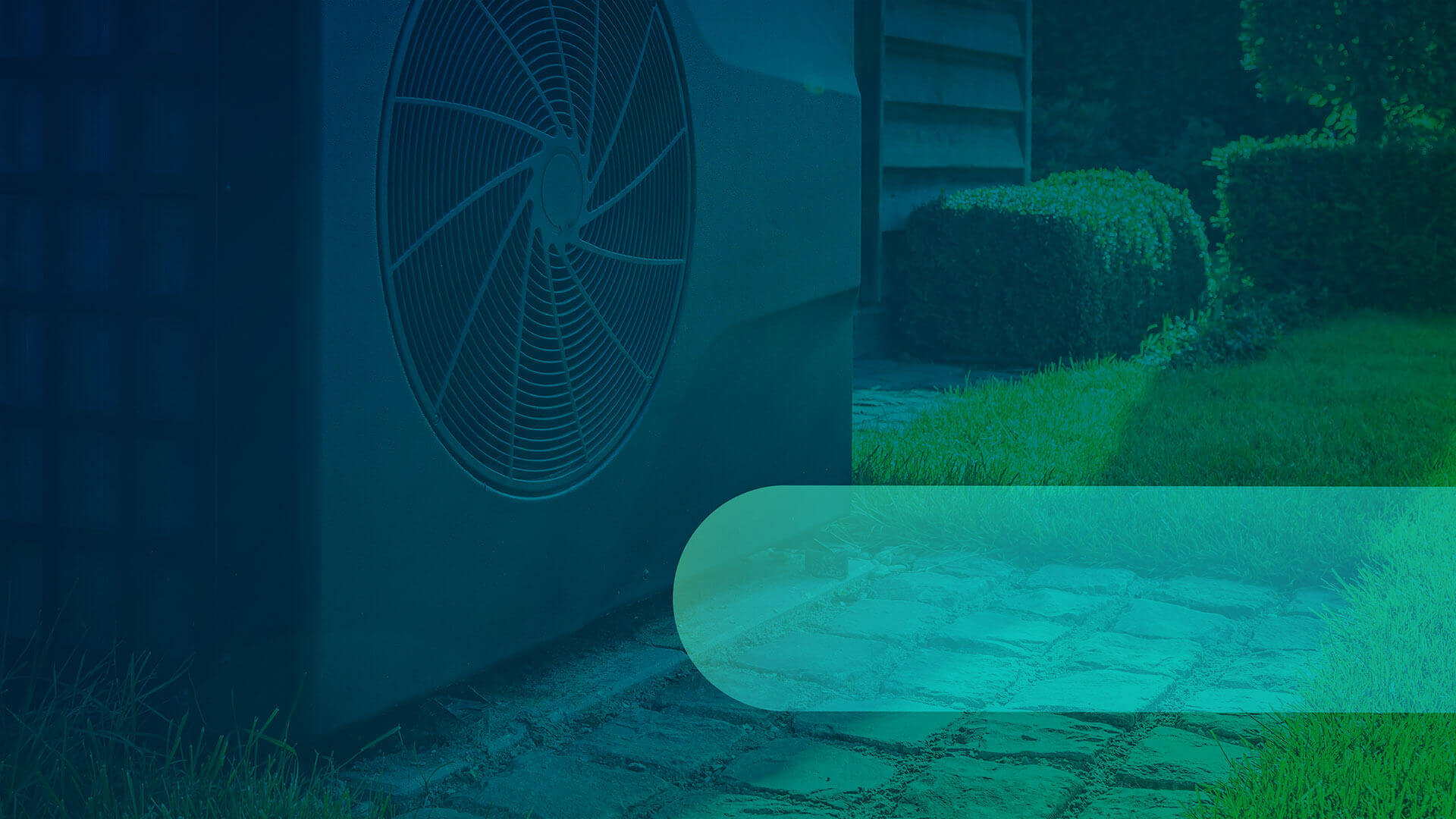
With integrated solutions, you’re not only saving money but also contributing to a sustainable future. They allow for seamless interaction between devices, meaning your heat pumps, EV chargers, and solar panels work together optimally. This cooperation maximizes energy efficiency and enhances your system’s capabilities.
Achieving Future Readiness
To be future-ready, energy systems must be adaptable and forward-thinking. By embracing advanced technologies, you pave the way for a more sustainable, efficient future.
Sustainable Energy Solutions
Sustainability isn’t just a trend—it’s a necessity. Energy solutions that focus on renewable resources are crucial for reducing carbon footprints. For instance, solar panels provide clean, renewable energy by harnessing power from the sun.
These systems are designed to not only meet today’s demands but also adapt to tomorrow’s challenges. By integrating modern energy solutions, you’re setting up a resilient system that supports environmental goals while reducing costs. For a deep technical perspective, check out this article.
Future-Proofing Your Systems
Creating a future-proof energy system involves smart planning and the right tools. Start by evaluating your current setup and identifying areas for improvement. This might involve upgrading to smart devices or integrating new technologies.
One key aspect is ensuring that new components can easily integrate with existing ones. This means choosing devices and solutions that are compatible across platforms, allowing for seamless interaction. The longer you wait to make these updates, the more challenges you may face. Acting now ensures your systems remain robust and efficient.
Practical Steps for Integration
Ready to make your energy systems smarter? Here’s how to seamlessly integrate new technologies into your current setup.
User-Friendly Interfaces
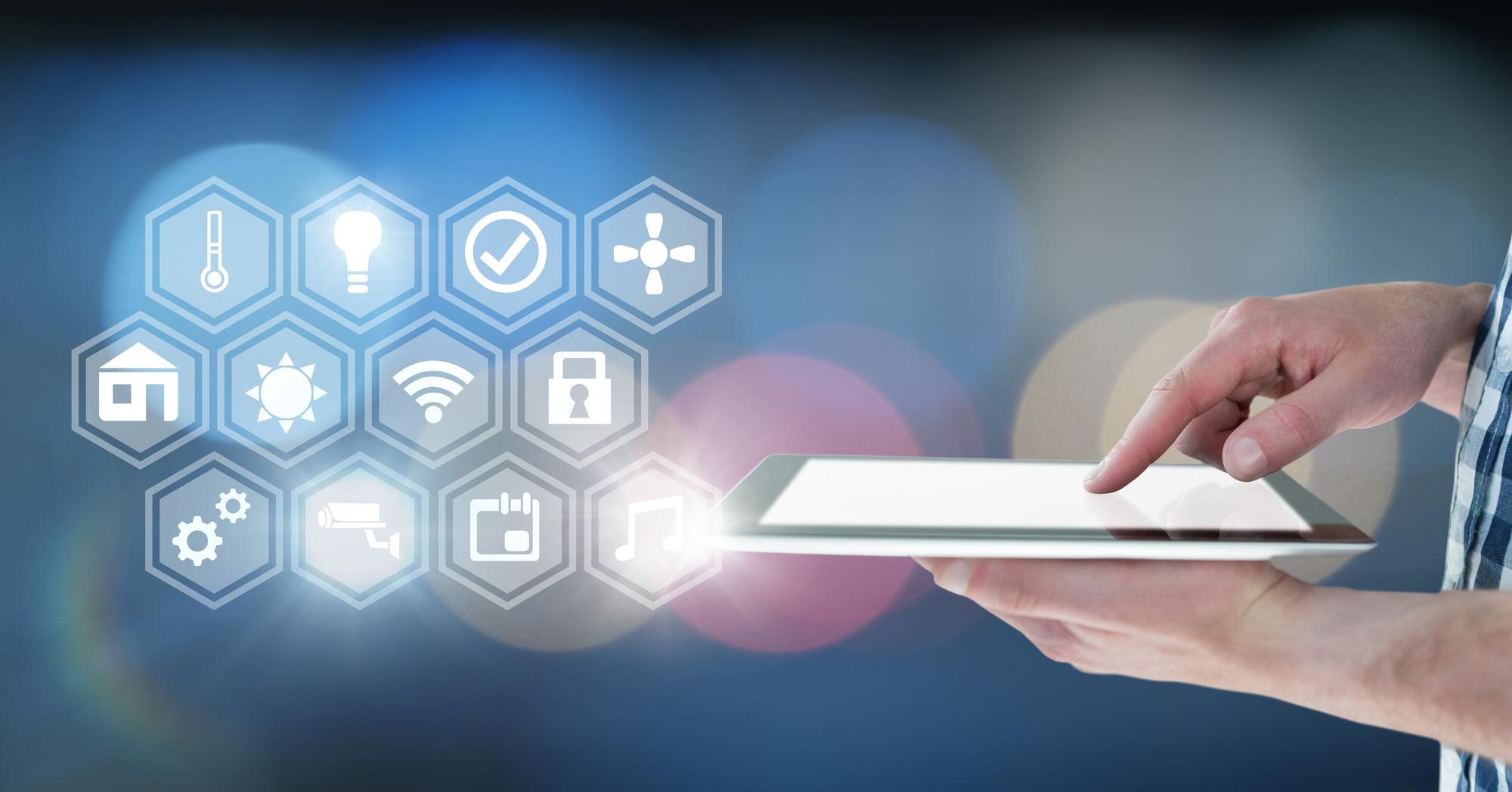
Ease of use is vital for any energy management system. A user-friendly interface ensures you can manage your systems without hassle. Think of platforms that offer intuitive dashboards, where data is presented clearly and actions can be taken swiftly.
These interfaces should allow you to monitor and adjust settings with ease. Whether it’s through a mobile app or a desktop portal, having control at your fingertips means you’re always ready to optimize performance. Most people believe complex systems are better, but simplicity often leads to greater efficiency.
Compatibility with Existing Systems
Integrating new technology shouldn’t mean overhauling your entire system. Compatibility is key. Look for solutions that can work with what you already have. For instance, the Atmo device’s no-code, plug-and-play nature makes it a perfect fit for existing setups.
This kind of compatibility ensures that all your devices communicate smoothly, enhancing overall performance. By choosing systems designed to work together, you avoid the headache of technical issues and focus on what matters—efficient energy management. For more on how to overcome integration challenges, see this insightful guide.
By following these steps, you’re not only improving your current systems but also paving the way for future advancements. Your journey to a smarter, more efficient energy management process starts now.